
The Rise of Telemedicine in Modern Care
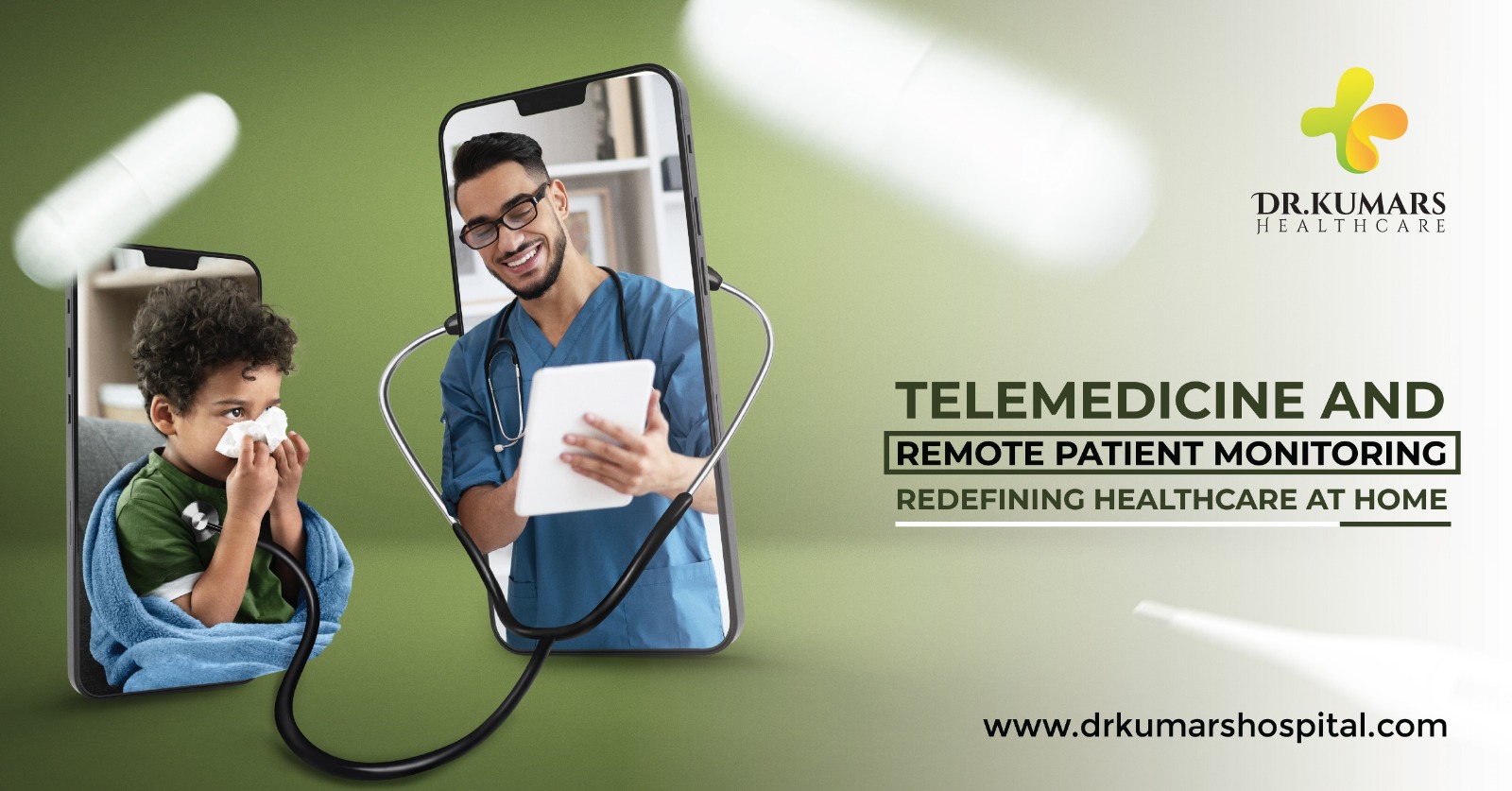
Telemedicine has transformed how patients access healthcare by enabling virtual consultations through video or phone calls. It allows doctors to diagnose conditions, provide medical advice, and prescribe medications without requiring in-person visits. This model is especially beneficial for patients with mobility challenges or those living in remote areas. By reducing travel time and waiting periods, telemedicine makes healthcare more convenient, timely, and accessible.
Remote Patient Monitoring and Continuous Health Tracking
Remote Patient Monitoring (RPM) uses wearable devices and mobile applications to collect real-time health data such as heart rate, blood sugar levels, blood pressure, and physical activity. This continuous stream of information is securely shared with healthcare providers, allowing them to monitor patients beyond clinic walls. RPM is particularly valuable for managing chronic conditions like heart disease, diabetes, and respiratory disorders.
Proactive and Preventive Care through Technology
One of the greatest advantages of telemedicine combined with RPM is proactive care. Continuous monitoring helps detect early warning signs before conditions worsen. Timely interventions can prevent complications and reduce emergency hospitalizations. Instead of reacting to illness, healthcare providers can anticipate problems and adjust treatment plans promptly, improving patient outcomes and supporting long-term disease management.
Improving Cost Efficiency and Healthcare Access
Telemedicine and RPM significantly reduce healthcare costs by minimizing unnecessary hospital visits, admissions, and prolonged stays. Patients save on travel expenses and time away from work, while healthcare systems experience reduced strain on facilities. This model expands access to quality care, especially for underserved populations, making healthcare delivery more equitable and sustainable.
Patient Empowerment and Engagement
With access to their own health data, patients become active participants in managing their well-being. RPM devices encourage adherence to treatment plans and lifestyle changes, while virtual consultations foster better communication with healthcare providers. This increased engagement builds confidence, accountability, and awareness, leading to improved health literacy and stronger patient-provider relationships.
Future Potential and Ongoing Challenges
The future of telemedicine and RPM lies in seamless integration with artificial intelligence, advanced sensors, and mobile platforms. AI can reduce false alarms, analyse large data sets, and personalize care. However, challenges remain, including device reliability, appropriate monitoring intensity, and supportive health policies. Continued innovation and regulatory support are essential for sustainable growth.
Importance of Homecare in a Technology-Driven Model Homecare is the foundation of effective telemedicine and RPM. A safe home environment, proper use of monitoring devices, medication adherence, and caregiver support ensure that technology delivers its full benefits. When combined with professional oversight, homecare enables timely interventions, comfort, and continuity of care. Together, telemedicine, RPM, and homecare create a patient-centred model where quality healthcare truly follows the patient home.